Table of Contents
Road dust suppression needs a defined operating objective before a product can be selected. For rural gravel roads, mixed light vehicles share a narrow alignment with occasional agricultural loads. That makes the relationship between material, application and actual site use more useful than a generic claim about a binder. This guide focuses on planning application and the evidence a project team should request before scaling up.
A practical road dust suppression programme should answer three questions: what source or layer is being treated, what procedure can be repeated on site, and what observation will show that the treatment remains fit for its intended use. The following decision sequence connects these questions to rural gravel roads, with product selection treated as part of the work method rather than a substitute for it.
Define the scope of road dust suppression
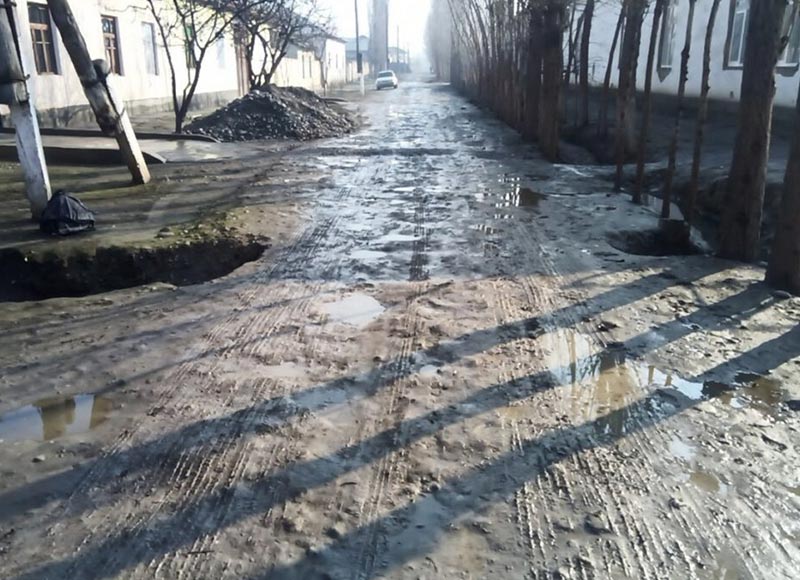
For road dust suppression, start by documenting road width, seasonal traffic, available aggregate and drainage ownership. Identify the project owner, the intended operating interval and the locations that must remain accessible during the work. Keep current observations separate from expected benefits so the supplier can see which statements are measured and which still need a trial.
Before approving road dust suppression, convert the supplier’s instructions into a sequence that the crew can actually execute. Confirm preparation, water quality, mixing order, agitation, equipment settings, pass arrangement and the condition required before the next operation. Mark responsibilities at each handover so a change of shift does not change the treatment procedure.
Define the operating objective for road dust suppression
During a road dust suppression review, describe the problem in terms of an observable site condition and an operating requirement. Ask what must improve, where it must improve and how that improvement will be checked. A product category name by itself does not define a successful road or stockpile treatment.
Treat a section with normal access activity rather than a convenient unused verge. Record access restrictions so residents know when the trial can be crossed. Include these conditions in the road dust suppression brief. Locate inspections at driveways, drainage crossings, shaded bends and roadside properties, and document any part of the site that falls outside the proposed treatment scope.
Planning application in the field
Calibrate using measured output over a known area. Nozzle settings, pump pressure and vehicle speed are operating inputs; the delivered quantity is the result that matters. Where the route includes bends or short passes, check those areas separately because the vehicle may slow down and deliver a different amount.
For a road dust suppression enquiry, use the first test area to establish practical controls rather than silently adjusting the whole job. If the surface ponds, sheds liquid, remains loose or develops streaks, stop and identify the cause. Alter one variable at a time and record the revision so subsequent performance can be attributed to a known procedure.
For the proposed road dust suppression work, confirm what a normal operating day looks like and what would make the test unrepresentative. A temporary reduction in traffic or handling can make a treatment appear successful while leaving the routine operating question unanswered.
Match the treatment to the product role
As part of road dust suppression procurement, a flexible film-forming road treatment is evaluated at the wearing surface. The practical question is whether particles remain bound during the intended traffic and weather exposure while the road retains acceptable operating condition. The film and the supporting road form a system; preparation and drainage remain part of the job.
Where traffic carries fresh loose material onto the road, an intact film can become covered by a new dust source. Inspect and clean the deposit before concluding that the original treatment has failed. This distinction changes whether the correct response is housekeeping, a local patch or full reapplication.
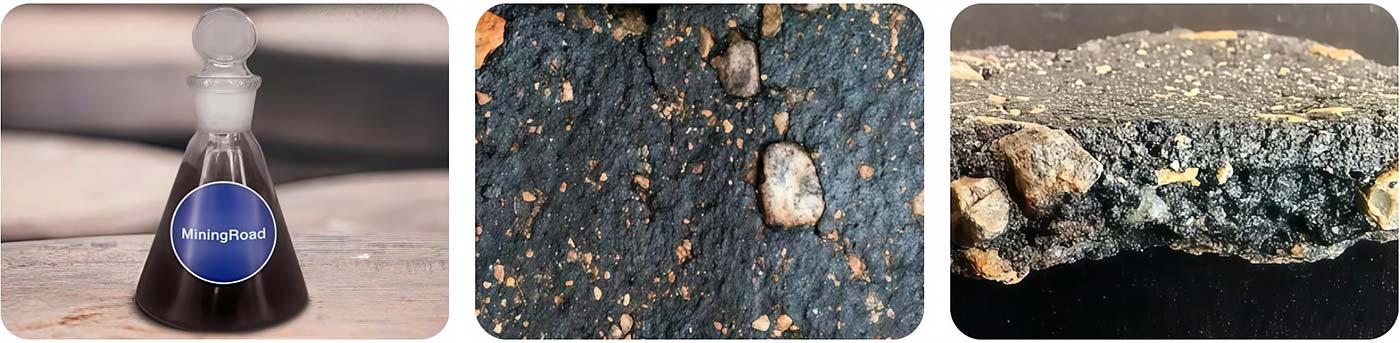
MiningWay GR GOODROAD is described by MiningWay as a flexible film-forming treatment for the surface of a prepared earth or gravel road. A surface film cannot correct a weak underlying road structure or blocked drainage. For road dust suppression, request a current procedure based on the actual material before assigning a dose, reopening time or service-life expectation.
Calculating material demand for this project
To evaluate road dust suppression, keep concentrate, prepared solution and added water as separate quantities. A dilution ratio does not establish the quantity of active material delivered per unit area, and an application volume does not define treatment depth. Require the supplier to state the basis of every number and the units used in its recommendation.
In the road dust suppression work plan, include a measured allowance for overlaps, line filling and unavoidable losses, with the allowance shown separately from the technical dose. Reconcile delivered product, unused stock and actual treated area. If the reconciliation does not close, investigate the discrepancy before interpreting a weak test section as a chemistry failure.
Apply this check to the road dust suppression scope using the recorded conditions for rural gravel roads. Ask the site team and supplier to identify the observation that would change the proposed method, and retain that answer with the trial record rather than leaving it as an informal site instruction.
Organizing storage and site handling for this project
When specifying road dust suppression, plan the mixing area to prevent unintended releases and contamination. Use the product’s current safety information to choose handling arrangements and protective measures. Keep measuring and transfer equipment suitable for the formulation and separate product identification from informal container markings.
When comparing road dust suppression options, plan the mixing area to prevent unintended releases and contamination. Use the product’s current safety information to choose handling arrangements and protective measures. Keep measuring and transfer equipment suitable for the formulation and separate product identification from informal container markings.
Apply this check to the road dust suppression scope using the recorded conditions for rural gravel roads. Ask the site team and supplier to identify the observation that would change the proposed method, and retain that answer with the trial record rather than leaving it as an informal site instruction.
Building an operating cost comparison for this project
For a repeatable road dust suppression method, choose a consistent area, evaluation period and level of service. Count preparation, product, freight, water, equipment, traffic control and inspections before comparing options. A unit price for concentrate is an input to the decision, not the cost of a functioning treated surface.
Include reapplication and localized repairs in the same evaluation period. Use several plausible maintenance intervals until the site trial provides better evidence. If the preferred option changes when one interval changes slightly, the decision needs a longer trial or a clearer operating assumption.
Apply this check to the road dust suppression scope using the recorded conditions for rural gravel roads. Ask the site team and supplier to identify the observation that would change the proposed method, and retain that answer with the trial record rather than leaving it as an informal site instruction.
Compare the available treatment approaches
When planning road dust suppression, build the quotation around the accepted method. State whether water, equipment calibration, preparation and post-application inspection are supplied by the contractor or the client. An agreed boundary reduces disputes over why nominally similar treatments produce different field results.
A road dust suppression comparison should retain the distinction between surface protection, mixed-layer improvement and changes to site operation. The table below is a decision framework; it does not rank a product or establish a universal performance level.
| Approach | Main purpose | What to confirm |
|---|---|---|
| Watering and routine maintenance | Short-term control alongside normal road care | Water delivery, repeat work and wet surface condition |
| Flexible surface film | Particle retention at a prepared wearing surface | Support, coverage, abrasion and local repairs |
| Mixed soil or aggregate treatment | Improvement within a defined constructed layer | Material compatibility, mixing and construction acceptance |
| Mechanical improvement or permanent surfacing | A different road construction or maintenance scope | Design requirements, access window and lifecycle cost |
Build the site record and acceptance decision
The road dust suppression record should identify the material source, area or layer, product batch, actual quantities, preparation, weather, operating activity and inspection locations. Add photographs with dates and locations. If part of the test was disturbed, repaired or treated differently, preserve that history instead of replacing it with the final photograph.
Use the evidence to decide whether the proposed method can be repeated over the remaining rural gravel roads. Acceptance should describe the conditions represented, the follow-up work required and the triggers for review. A useful decision can be conditional; it need not imply that every future section, pile or material delivery is already approved.
Reference context and next steps
For road dust suppression, for independent background, consult EPA AP-42: Unpaved Roads. This reference provides general technical context; it is not a certification, endorsement or performance test of MiningWay products. Apply the project’s current requirements and the specific evidence for the proposed material.
To discuss road dust suppression, send the MiningWay team road width, seasonal traffic, available aggregate and drainage ownership, along with photographs of driveways, drainage crossings, shaded bends and roadside properties. Ask for a material-specific recommendation, the technical and safety documents, a trial method and a quotation that states the preparation and follow-up scope. You can review the relevant site application information and contact the technical team before ordering.
Frequently asked questions
What should be defined before road dust suppression?
Define the target surface or layer, operating objective and site constraints. For rural gravel roads, provide road width, seasonal traffic, available aggregate and drainage ownership. Agree on how the proposed result will be checked before choosing a treatment.
Which product should be evaluated for road dust suppression?
MiningWay GR GOODROAD is a relevant product to discuss because its stated role is a flexible film-forming treatment for the surface of a prepared earth or gravel road. Suitability depends on the actual material and work method; it should be confirmed through current documentation and a representative trial.
Is there one universal dose for road dust suppression?
No. The recommendation must state whether it refers to concentrate, prepared solution, dry material mass or treated volume. Material condition, preparation and the intended use affect the procedure, so obtain a project-specific method.
How should road dust suppression performance be checked?
Use consistent inspection locations and record weather and operating activity. Check driveways, drainage crossings, shaded bends and roadside properties. Compare representative conditions and use suitable technical expertise where the result supports an engineering or environmental decision.
What information is needed for a road dust suppression quotation?
Provide the material, geometry, service period, traffic or handling, water availability and photographs. Ask the supplier to separate product, freight, preparation, application and follow-up support so the offered scope can be compared fairly.