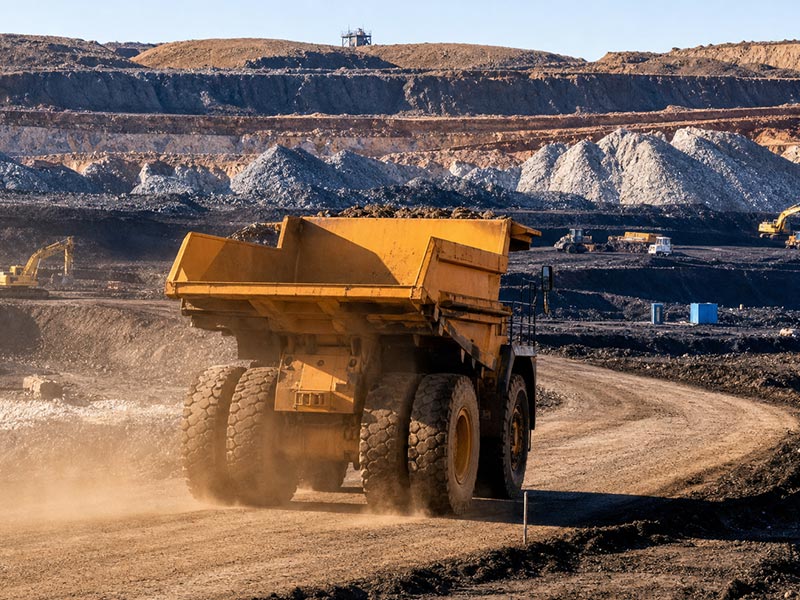
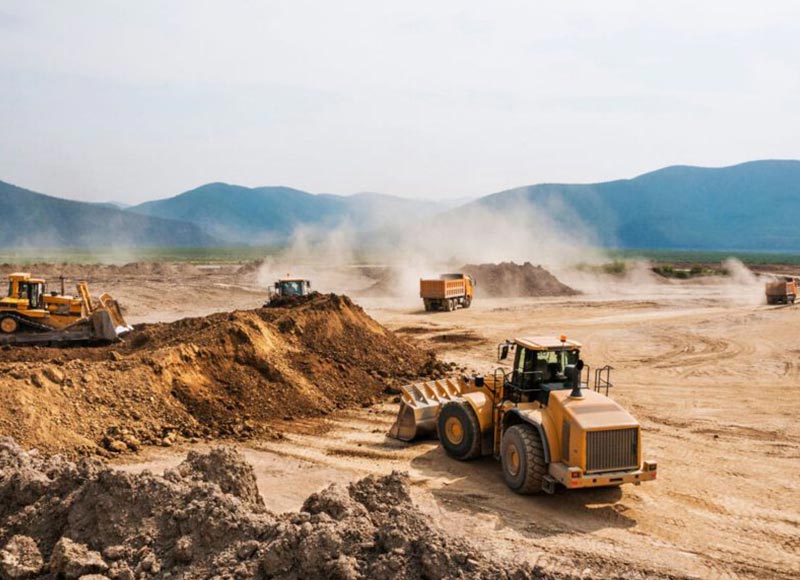
Effective dust suppression and surface stabilization have become essential priorities across construction, mining, transportation, and bulk material storage operations. Flexible crusting technology offers an advanced solution by forming a durable yet flexible protective crust over exposed surfaces, helping reduce wind erosion, control dust emissions, and improve long-term site management while maintaining environmental compliance.
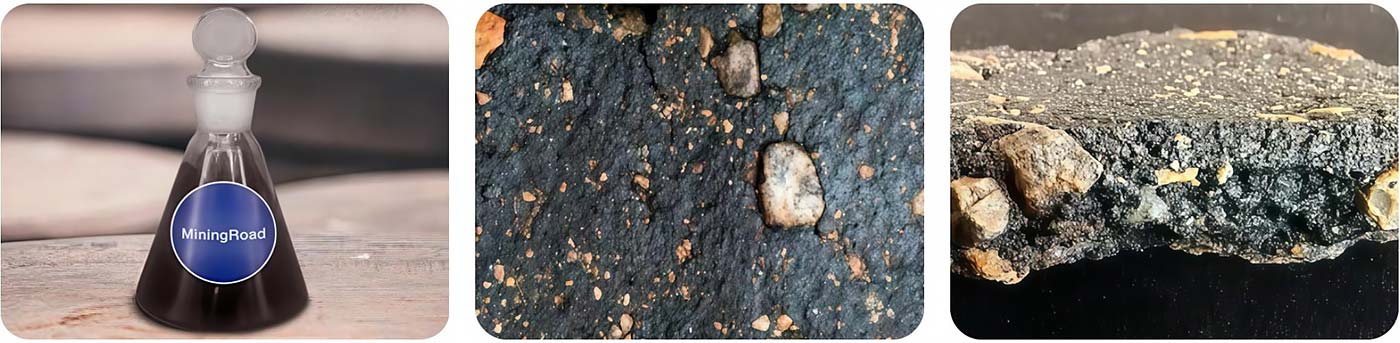
Unlike traditional dust control methods that require frequent reapplication, flexible crusting technology utilizes advanced polymer-based materials that penetrate the surface and bind loose particles together. After curing, the material forms a continuous protective crust that remains flexible under changing environmental conditions. This flexibility allows the surface layer to resist cracking caused by temperature fluctuations, vehicle movement, or natural ground settlement, ensuring longer-lasting performance.
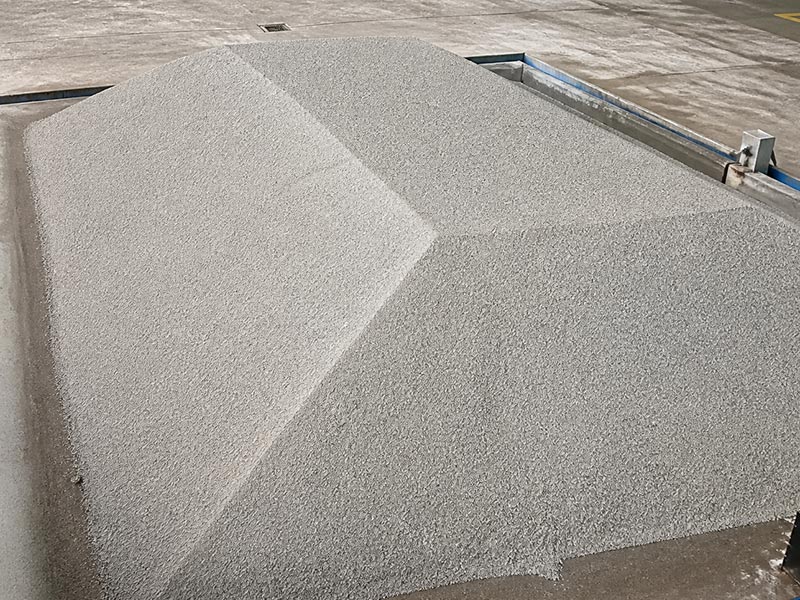
One of the primary applications of flexible crusting technology is the protection of stockpiles containing coal, ore, sand, aggregates, soil, fly ash, and other bulk materials. By sealing the exposed surface, the protective crust significantly reduces dust generation during strong winds while minimizing material loss and improving storage efficiency. The treated surface also helps reduce the need for frequent watering, lowering water consumption and operational costs.
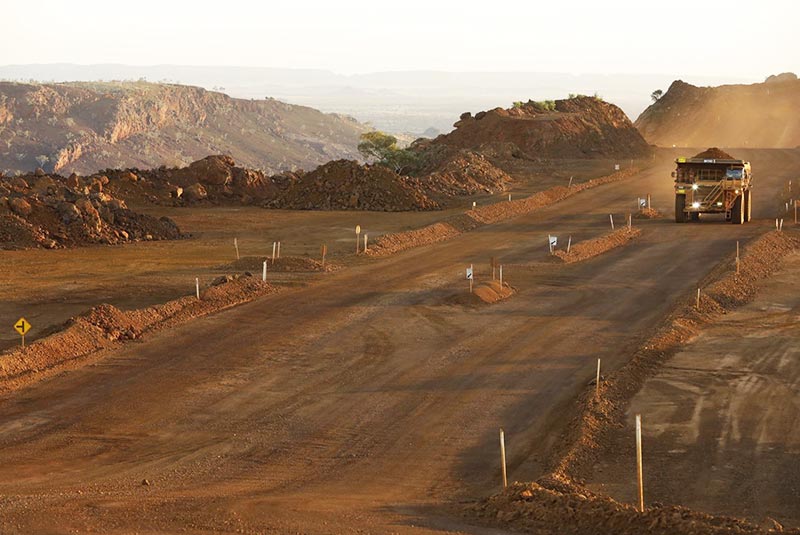
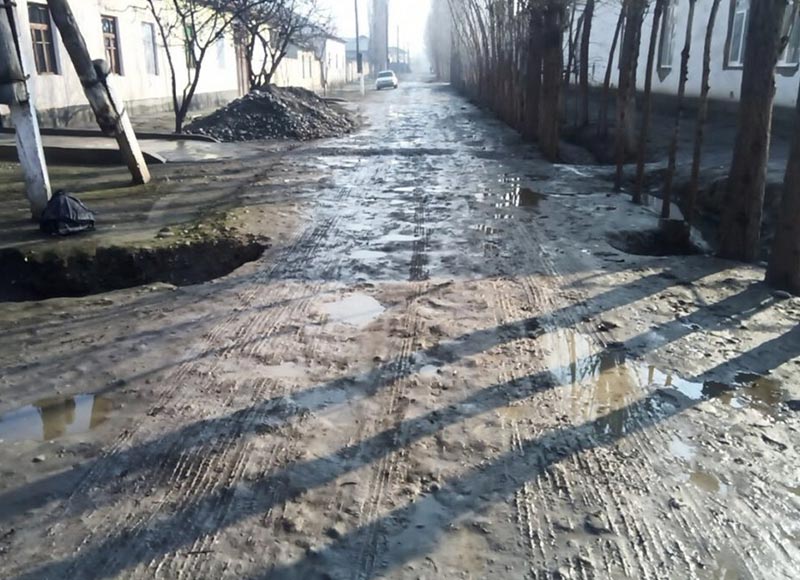
The technology is equally valuable for construction sites, open excavation areas, tailing ponds, landfill covers, unpaved roads, industrial yards, and temporary work zones. By stabilizing loose soil and creating a protective surface layer, flexible crusting technology enhances site cleanliness, improves operational safety, and reduces the environmental impact of airborne particulate matter on nearby communities.
Environmental sustainability is another important advantage of flexible crusting technology. Many modern formulations are designed with environmentally responsible polymer materials that provide reliable performance while minimizing ecological impact. Reduced dust emissions contribute to improved air quality, while lower water usage and fewer maintenance interventions support more sustainable site operations.
In addition to environmental benefits, flexible crusting technology offers excellent construction efficiency. The material can be applied using conventional spraying equipment with minimal site preparation. Rapid curing allows treated areas to become operational quickly, making the solution suitable for both emergency dust control and long-term surface protection projects.
The versatility of the technology enables it to perform effectively across diverse climate conditions, including hot, dry regions with frequent wind erosion as well as areas experiencing seasonal rainfall and temperature variation. Customized formulations can be developed to match specific soil characteristics, project requirements, and environmental conditions, ensuring consistent and reliable results.
As industries continue to pursue higher standards of environmental management and operational efficiency, flexible crusting technology is becoming an increasingly important component of modern dust control strategies. By combining advanced polymer science with practical engineering applications, the technology provides durable surface protection, effective erosion control, and long-lasting environmental performance for a wide range of infrastructure and industrial projects.