A stockpile dust suppressant field trial should do more than show that a sprayed surface looks darker or harder immediately after treatment. The purpose of a useful trial is to determine whether the proposed treatment can control windblown dust under the actual material, weather, storage, and handling conditions of the site. That means comparing treated and untreated areas, recording application conditions, monitoring the surface over time, and checking what happens after wind, rain, loading, or pile disturbance.
This matters because stockpiles are not all exposed in the same way. A static mineral pile stored for several months has different control needs from a coal pile that is reclaimed every day. Fine dry material, coarse aggregate, tailings, ore, and industrial bulk solids can respond differently to water, polymer crusting agents, covers, wind barriers, and other control methods. A well-designed stockpile dust suppressant field trial helps buyers and site teams decide whether a surface treatment is suitable before applying it across a large storage area.
Table of Contents
Why a Stockpile Dust Suppressant Field Trial Is Worth Doing
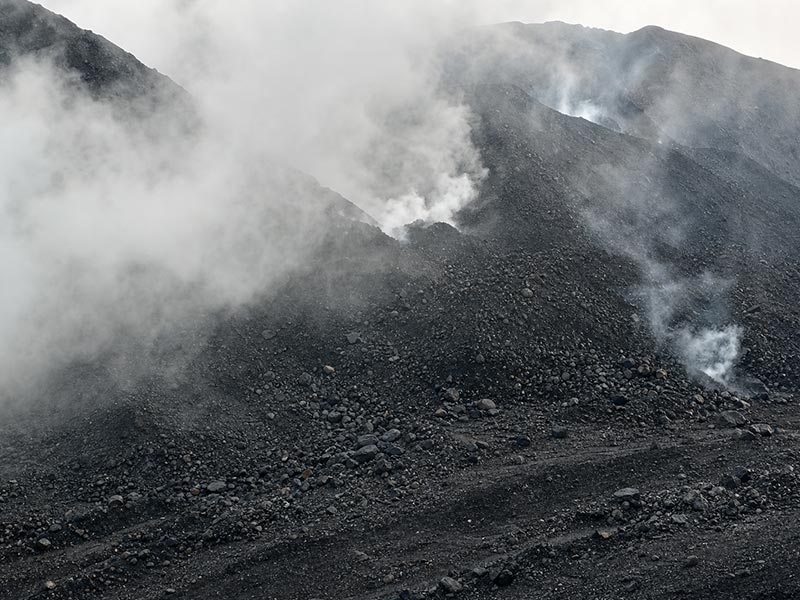
Stockpile dust control is strongly affected by the exposed surface, material condition, wind, moisture, and the frequency of disturbance. The U.S. Environmental Protection Agency identifies water, approved chemical dust suppressants, covers or enclosure, and wind barriers as potential controls for storage piles, while also noting that control suitability varies by facility and operating conditions. Its fugitive dust control best-practice guidance specifically recommends monitoring exposed material and selecting controls according to site conditions.
A field trial converts that general guidance into project-specific evidence. Instead of assuming that a product used on one material will perform the same way on another, the trial answers questions such as: Does the treatment wet and cover the actual pile surface evenly? Does a continuous crust form? Does it crack after drying? How does it respond to wind and rain? What happens where loaders or reclaim equipment disturb the treated surface?
For procurement teams, a stockpile dust suppressant field trial also creates a more useful basis for comparing suppliers. Application instructions, material compatibility, required preparation, inspection criteria, and reapplication triggers can all be reviewed before a full-site purchase decision.
Start by Defining the Dust Source and Operating Condition
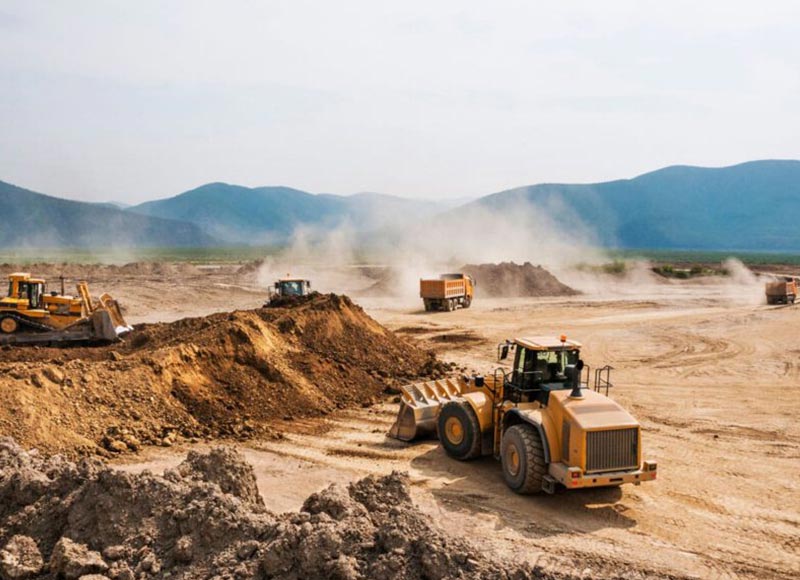
Before setting up a stockpile dust suppressant field trial, confirm that wind erosion from the exposed pile surface is actually the source you want to control. Dust around a storage yard may also come from truck traffic, conveyor transfers, dumping points, loader activity, or spilled material.
This distinction matters because a surface crusting treatment is designed for exposed pile surfaces, especially where the surface remains relatively undisturbed. It should not be expected to solve dust generated continuously at a transfer chute or from heavy vehicle traffic around the stockpile.
The EPA’s storage-pile guidance notes that chemical dust suppressants can be effective for piles with infrequent disturbance, while material-handling controls such as reducing drop height or containing transfer points may be needed for active handling sources. This makes operating pattern one of the first inputs to any stockpile dust suppressant field trial.
Choose a Representative Test Area
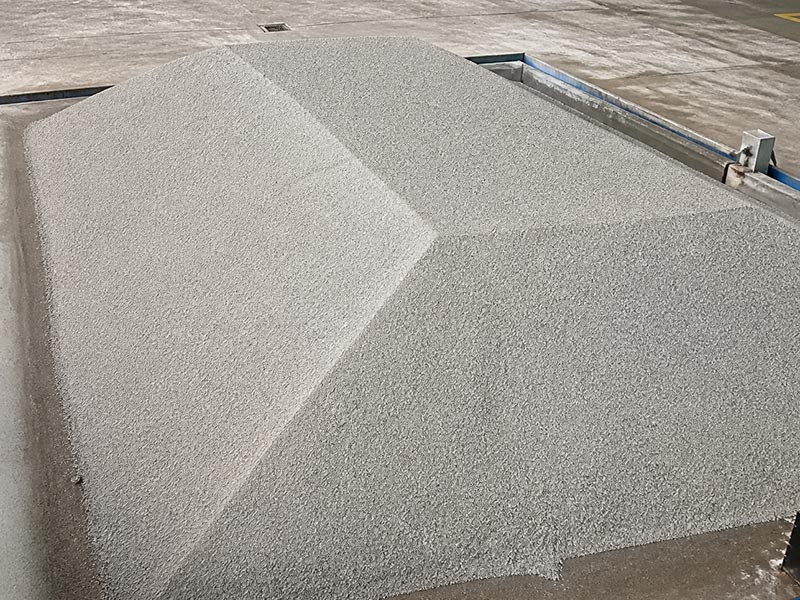
A field trial is only useful when the test area represents the larger stockpile or storage operation. Avoid selecting a sheltered corner simply because it is easy to spray. If the main pile is exposed to prevailing winds, direct sunlight, rainfall, and normal handling, the test area should experience comparable conditions.
For a large pile, divide the surface into comparable zones where possible. One zone can receive the proposed treatment while another similar area remains untreated or continues with the site’s current control method. This creates a practical comparison rather than relying only on before-and-after visual impressions.
A good stockpile dust suppressant field trial should document pile orientation, approximate slope, exposed area, material type, particle condition, moisture condition, and nearby structures or barriers that may alter wind exposure. If the pile has a windward and leeward side, that distinction should be included in inspection records.
Characterize the Material Before Application
The behavior of a stockpile surface depends heavily on the stored material. Fine dry particles may be easily entrained by wind, while coarse material can have localized fines concentrated on the surface. Some materials absorb water readily; others shed it. Surface chemistry can also affect how a polymer-based treatment spreads and bonds.
Before the stockpile dust suppressant field trial, record the material name, source, approximate size range if known, moisture condition, storage duration, and whether the pile contains contaminants, oils, salts, or process residues. If laboratory or quality-control data already exist, include them in the trial file.
For materials that will later enter a production process, confirm whether any surface treatment is compatible with downstream use. A mine may be comfortable treating overburden or waste material differently from saleable ore. A port terminal handling customer-owned bulk material may need additional approval before applying any chemical product.
Set a Clear Trial Objective Before Spraying
A stockpile dust suppressant field trial should have a defined objective. “Reduce dust” is too broad to guide inspection or procurement.
The trial objective might be to reduce visible wind erosion on a static pile, maintain a continuous surface crust through a defined storage period, reduce the need for repeated watering, or determine whether a treatment remains intact after expected weather exposure. Each objective leads to different observations and timeframes.
Do not define success using a performance number that the project cannot measure. If the site has no dust-monitoring instruments, it is more defensible to use repeatable visual observations, surface-condition records, wind data, photographs, and maintenance logs than to claim an exact percentage reduction without an approved measurement method.
Include a Control Area Whenever Practical
One of the strongest improvements you can make to a stockpile dust suppressant field trial is including a control area. The control may be an untreated section, the site’s current watering practice, or another accepted management method.
The reason is simple: weather changes during the trial. If dust decreases after treatment, the change may be caused partly by higher humidity, recent rain, or lower wind speed. A comparable control area helps separate treatment effects from changing environmental conditions.
EPA field studies of storage-pile wind controls have used simultaneous treated and untreated comparisons to evaluate differences under the same weather. While those studies may involve different control technologies, the experimental principle is directly useful: compare like with like whenever possible.
| Trial element | What to record | Why it matters |
|---|---|---|
| Treated zone | Area, material, slope and surface condition | Defines exactly what received treatment. |
| Control zone | Comparable untreated or current-practice area | Provides context when weather changes. |
| Weather | Wind, rainfall, temperature and dry periods | Explains changes in crust and visible dust. |
| Application | Product, dilution, equipment, area and actual quantity | Allows repeatability and comparison. |
| Surface condition | Coverage, cracking, erosion and disturbed areas | Shows whether the crust remains continuous. |
| Operations | Loading, reclaiming or vehicle disturbance | Separates weather damage from mechanical damage. |
Record Weather Before, During, and After the Trial
Weather is central to interpreting a stockpile dust suppressant field trial. A trial completed during calm, humid weather cannot automatically demonstrate performance during a dry windy period.
Record wind conditions, rainfall, temperature, and notable weather events throughout the observation period. If the site has a weather station, use those records. If not, nearby verified meteorological data may provide useful context, though local pile conditions can still differ.
Rain deserves particular attention. A surface may remain intact after light rainfall but respond differently to heavy rain, concentrated runoff, or water flowing down a pile face. Likewise, high wind can expose weak spots in a crust that appear acceptable during calm conditions.
The goal is not to wait for every possible weather event before making a decision. It is to make sure the stockpile dust suppressant field trial is interpreted in the context of the conditions it actually experienced. A well-documented stockpile dust suppressant field trial also makes later procurement review more defensible.
Prepare the Surface Before Applying the Suppressant
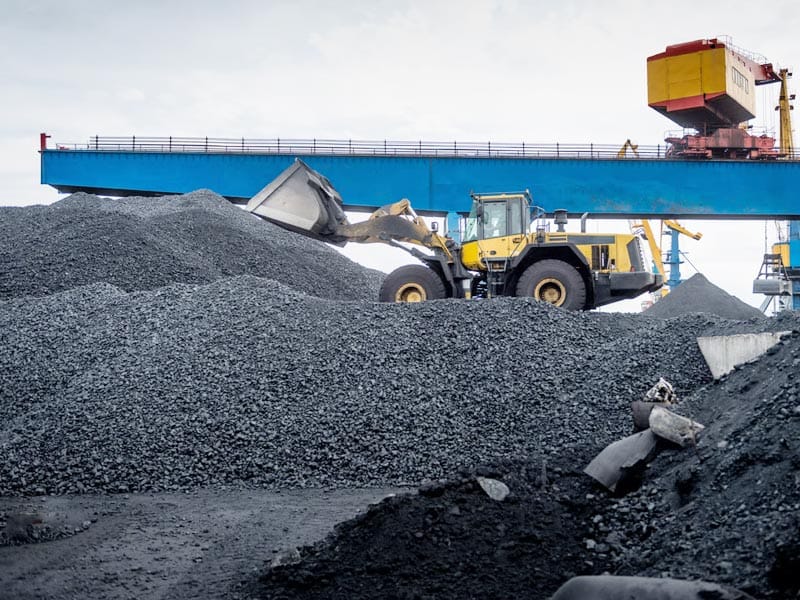
Surface preparation can affect the uniformity of a crusting treatment. Very loose material, deep rills, freshly disturbed sections, or active reclaim areas may produce uneven coverage.
Before application, document whether the test area was freshly built, compacted naturally by settling, disturbed by equipment, or already weathered. Remove obvious debris only if doing so reflects the planned full-scale procedure. Do not over-prepare the test area in a way that makes it easier to treat than the real stockpile.
Where loose fines are concentrated unevenly, note that condition in the trial record. The objective is to test the treatment under representative surface conditions, not under an artificially ideal surface. This keeps the stockpile dust suppressant field trial relevant to full-scale operation.
Measure the Actual Application, Not Just the Equipment Setting
A common weakness in field demonstrations is recording only the nominal sprayer setting. A useful stockpile dust suppressant field trial should record the actual treatment area, product quantity, dilution, number of passes, spray equipment, nozzle condition, and any interruptions during application.
This does not mean every site needs laboratory-level precision. It means the trial needs enough information to repeat the application later. If one section performs well, the team should know how it was treated. If another section performs poorly, application inconsistency should be one of the factors that can be checked.
Follow the current manufacturer instructions for the specific material being tested. EPA storage-pile implementation guidance states that chemical suppressants should be applied according to manufacturer specifications and that recordkeeping is important for demonstrating control performance. For the same reason, every stockpile dust suppressant field trial should preserve application records that can be checked later.
Inspect Crust Formation and Coverage
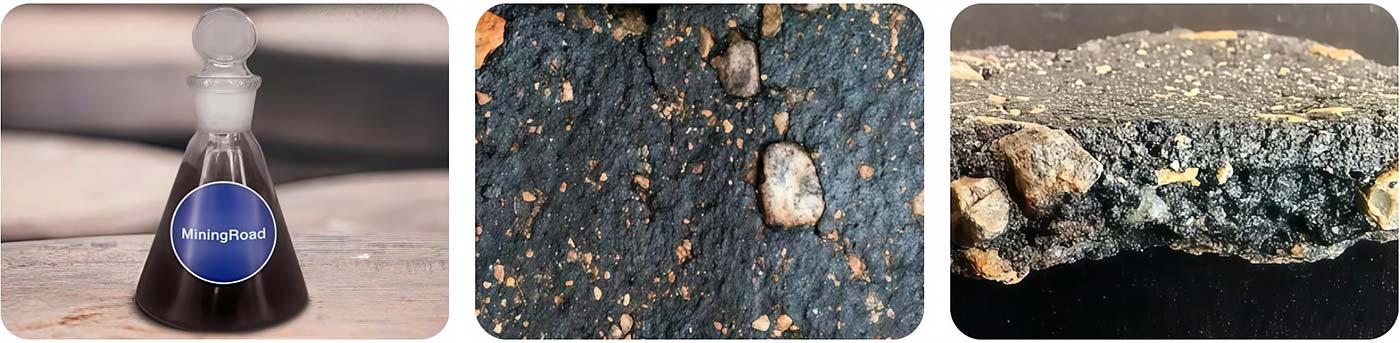
For a polymer surface-crusting product, the first inspection focuses on whether a continuous treated layer forms across the target area. This is a key part of a stockpile dust suppressant field trial, but visual hardness alone should not be treated as proof of long-term performance.
Inspect the surface for untreated patches, thin areas, runoff marks, excessive pooling, early cracking, peeling, or weak edges. Photographs should be taken from consistent positions so the same section can be compared over time.
If the product is intended to form a flexible crust, note whether the layer remains continuous as the pile settles or dries. Do not assign a pass or fail criterion for flexibility unless the project has an agreed inspection method.
Observe Windblown Dust Under Real Site Conditions
Visible dust observation is one of the most practical indicators in a stockpile dust suppressant field trial, especially where formal particulate monitoring is not available. However, observations should be structured.
Record the date, time, approximate wind condition, observation position, treated-area condition, control-area condition, and whether material handling was occurring nearby. This reduces the risk of attributing dust from loaders or transfer points to the stockpile surface.
For facilities operating under formal air-quality permits, use the monitoring and recordkeeping methods required by the relevant authority. EPA best-practice material notes that some facilities use visual-emission observation methods for fugitive dust inspection. The local permit or regulation, not a generic blog procedure, should determine compliance monitoring.
Check Performance After Rain and Drying
A stockpile crust may experience repeated wetting and drying. Therefore, a stockpile dust suppressant field trial should include inspections after meaningful rainfall where the storage period allows.
Look for erosion channels, washed-off sections, softening, cracking after drying, edge damage, and areas where runoff concentrated. Compare these observations with the untreated or current-practice area.
Avoid turning one rain event into a universal durability claim. Rainfall intensity, slope, material permeability, application condition, and drainage all affect the result. The trial should report what happened under the actual recorded event.
Test What Happens After Mechanical Disturbance
One of the most important questions in a stockpile dust suppressant field trial is whether the treated surface will remain undisturbed during normal operations. Loaders, reclaimers, dozers, trucks, or material transfer can break a crust and expose fresh dry material.
If the real pile will be disturbed, include a controlled disturbance in the trial or at least observe a naturally disturbed section. Record how much of the crust is broken, whether untreated material is exposed, and whether the damaged area can be retreated effectively.
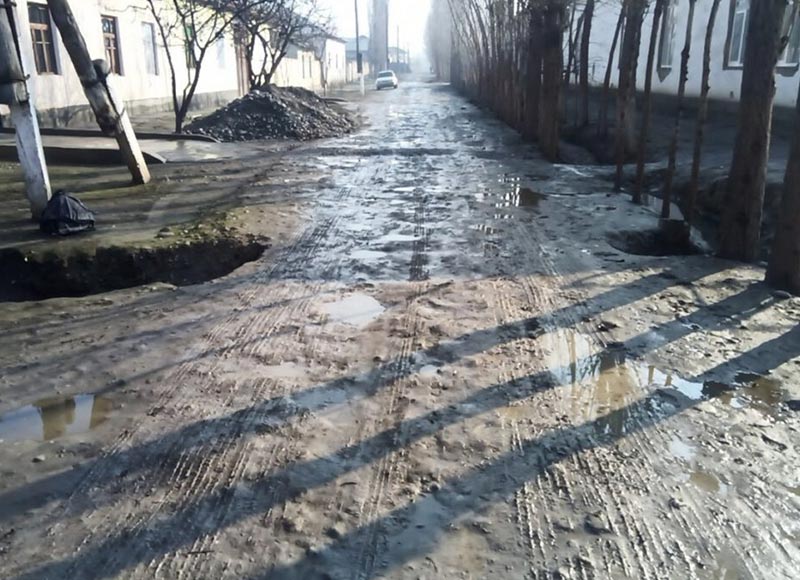
This is where stockpile surface treatment differs from road treatment. A crusting layer can be appropriate for static or infrequently disturbed material, but it should not be assumed to control continuous dust generation from active handling.
Decide How Reapplication Will Be Triggered
A stockpile dust suppressant field trial should help define when retreatment is needed. Reapplication should not be based only on a fixed calendar interval unless the trial and current technical data support that schedule.
More useful triggers can include visible crust damage, expansion of untreated surface area, major reclaim activity, pile reshaping, weather erosion, or a return of visible windblown dust under comparable conditions.
For operations with frequent pile changes, a zone-based approach may be more practical than retreating the entire pile. Newly exposed surfaces can be identified during routine inspections and treated according to the approved procedure.
How to Evaluate MiningWay LH in a Field Trial
The MiningWay LH Stockpile Dust Suppressant is currently presented as a polymer-based treatment designed to form a flexible crust over exposed material and help bind surface particles against windblown dust. For a procurement decision, that general product positioning should be followed by a material-specific stockpile dust suppressant field trial.
Before testing LH, provide the material type, storage period, pile condition, expected disturbance frequency, local weather exposure, and downstream use requirements. If several materials are stored at the site, test representative materials separately rather than assuming identical behavior.
The current product page contains several broad performance statements. Those should not be transferred automatically into project specifications without supporting test conditions, current technical documentation, and site-specific validation. The field trial should focus on directly observable and recordable results for the actual material.
Where the site also has road-dust problems or weak soil layers, review the broader DustFreeRoad product range rather than using a stockpile crusting treatment as a substitute for road or soil stabilization.
Build a Simple Inspection Schedule
A strong stockpile dust suppressant field trial needs repeat inspections. Checking the surface only on application day provides very little information.
A practical schedule can include an initial inspection after the treatment has formed, follow-up checks during dry weather, inspections after significant wind or rain, and checks after any operational disturbance. The exact timing should match the storage period and project risk.
| Inspection stage | What to check | Typical decision |
|---|---|---|
| After application | Coverage, runoff, pooling and untreated patches | Confirm application uniformity. |
| After crust formation | Continuity, cracking and surface bonding | Confirm that the intended surface layer formed. |
| During dry windy weather | Visible wind erosion and control-area comparison | Evaluate dust-control behavior. |
| After rainfall | Erosion, wash-off, softening and drying cracks | Evaluate weather exposure. |
| After pile disturbance | Broken crust and exposed fresh material | Determine retreatment needs. |
| End of trial | Condition history, maintenance and application records | Decide whether to scale up, modify, or reject the method. |
Common Mistakes in Stockpile Dust Suppressant Field Trials
The first mistake is testing only during calm weather and then making broad wind-resistance claims. A stockpile dust suppressant field trial should document the weather it actually experiences.
The second is failing to use a control area. Without a comparison, it can be difficult to separate treatment effects from rain, humidity, or lower wind.
The third is ignoring mechanical disturbance. A treatment suitable for an inactive storage pile may not remain intact on a pile that is reclaimed every day.
The fourth is recording only the nominal application rate. The site should know the actual treated area, product quantity, dilution, equipment, and application conditions.
The fifth is evaluating only appearance. A dark or hard surface immediately after spraying does not demonstrate performance through the intended storage period.
The sixth is using trial results from one material as proof for every other bulk solid. Different particle sizes, surface conditions, moisture behavior, and downstream requirements can change treatment performance.
What Buyers Should Request Before Full-Scale Treatment

After the stockpile dust suppressant field trial, procurement teams should ask for a complete trial record rather than a short statement that the product “passed.”
The record should identify the material, treated area, control area, product batch, application procedure, actual quantity, weather, photographs, inspection dates, disturbance events, observed damage, retreatment, and any formal dust measurements. If the supplier recommends a full-scale procedure, the assumptions behind that recommendation should be stated clearly.
For larger projects, agree on who is responsible for application quality, weather monitoring, inspection, retreatment, and recordkeeping. This makes the treatment program easier to manage after procurement.
To discuss a material-specific test, send your pile material, storage period, approximate exposed area, disturbance frequency, site photos, and weather conditions through the DustFreeRoad contact page.
Conclusion
A stockpile dust suppressant field trial is most valuable when it is designed as a controlled site evaluation rather than a one-day demonstration. Start by confirming the dust source, choose a representative area, characterize the material, establish a control, document the actual application, and inspect the surface through realistic weather and operating conditions.
For surface-crusting treatments, the key questions are whether coverage is continuous, whether the crust survives relevant wind and rain exposure, how it behaves after disturbance, and when retreatment becomes necessary. These observations give buyers a stronger basis for deciding whether to expand treatment across the full storage area.
The final decision should be based on the actual material and site conditions, supported by current product documentation and project-specific trial records. A complete stockpile dust suppressant field trial therefore becomes part of the technical basis for scale-up. That approach is more reliable than applying a generic durability claim or treatment interval to every stockpile.
FAQ About Stockpile Dust Suppressant Field Trials
How large should a stockpile dust suppressant field trial be?
The area should be large enough to represent the real pile surface, application equipment, wind exposure, and operating conditions. There is no universal size. The most important requirement is that the treated and control areas are comparable and can be inspected repeatedly.
Why should a field trial include an untreated control area?
A control area helps separate treatment performance from changes in rainfall, humidity, wind, or normal pile behavior. It gives the site a more defensible comparison than looking only at the treated surface.
What should be inspected after the crust forms?
Inspect coverage, untreated patches, cracking, peeling, runoff marks, wind erosion, rain damage, and any areas broken by loading or reclaim activity. Use consistent photographs and inspection locations where possible.
Can one stockpile dust suppressant field trial represent every material?
No. Different bulk materials can vary in particle size, moisture behavior, surface chemistry, handling method, and downstream requirements. A trial should represent the actual material or a clearly comparable material before conclusions are transferred.
When should a treated stockpile be reapplied?
Reapplication should be based on the approved product procedure and observed site conditions. Useful triggers can include major crust damage, pile reshaping, exposed new material, weather erosion, or a return of visible windblown dust under comparable conditions.