Tabla de contenidos
Rural road soil stabilization needs a defined operating objective before a product can be selected. For rural gravel roads, mixed light vehicles share a narrow alignment with occasional agricultural loads. That makes the relationship between material, application and actual site use more useful than a generic claim about a binder. This guide focuses on defining the engineering scope and the evidence a project team should request before scaling up.
A practical rural road soil stabilization programme should answer three questions: what source or layer is being treated, what procedure can be repeated on site, and what observation will show that the treatment remains fit for its intended use. The following decision sequence connects these questions to rural gravel roads, with product selection treated as part of the work method rather than a substitute for it.
Define the scope of rural road soil stabilization
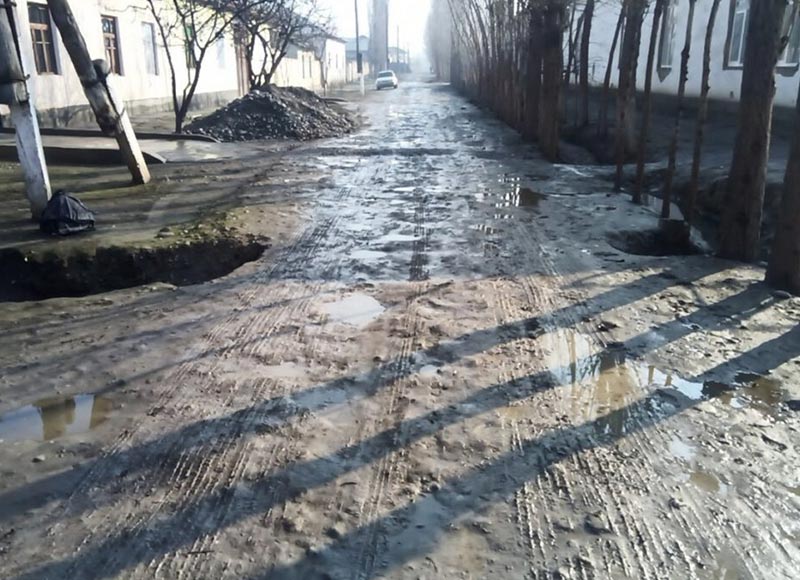
For rural road soil stabilization, start by documenting road width, seasonal traffic, available aggregate and drainage ownership. Identify the project owner, the intended operating interval and the locations that must remain accessible during the work. Keep current observations separate from expected benefits so the supplier can see which statements are measured and which still need a trial.
Separate surface function from structural performance. A dust treatment can improve particle retention without establishing the capacity of the underlying foundation. A mixed stabilized layer may require design thickness, strength, drainage and construction controls before it can be used as part of an engineered pavement.
Define the operating objective for rural road soil stabilization
Before approving rural road soil stabilization, describe the problem in terms of an observable site condition and an operating requirement. Ask what must improve, where it must improve and how that improvement will be checked. A product category name by itself does not define a successful road or stockpile treatment.
Treat a section with normal access activity rather than a convenient unused verge. Record access restrictions so residents know when the trial can be crossed. Include these conditions in the rural road soil stabilization brief. Locate inspections at driveways, drainage crossings, shaded bends and roadside properties, and document any part of the site that falls outside the proposed treatment scope.
Defining the engineering scope in the field
For rural road soil stabilization, identify traffic loading, ground conditions, material sources and design service requirements. Record the assumptions behind the proposed section and how construction will verify them. Where conditions change along the alignment, divide the work into representative zones instead of applying a single convenient detail everywhere.
When planning rural road soil stabilization, ask the responsible engineer which test results and field observations support the intended use. A laboratory value becomes meaningful only with its preparation and exposure conditions. Do not infer a safe vehicle load, layer thickness or road lifetime solely from a product description.
For the proposed rural road soil stabilization work, confirm what a normal operating day looks like and what would make the test unrepresentative. A temporary reduction in traffic or handling can make a treatment appear successful while leaving the routine operating question unanswered.
Haga coincidir el tratamiento con el rol del producto
For a rural road soil stabilization enquiry, soil stabilization begins with identifying the soil and the engineering function of the proposed layer. Material classification, moisture, density, mixing and curing can affect the result. A treatment described as suitable for roads still needs a method and acceptance criteria that fit the actual foundation or base layer.
Laboratory specimens are evidence about a defined combination of soil, treatment and preparation. Preserve that definition when translating results to the site. A different borrow material, uneven addition or inadequate compaction can create a field layer unlike the specimens that supported the initial decision.
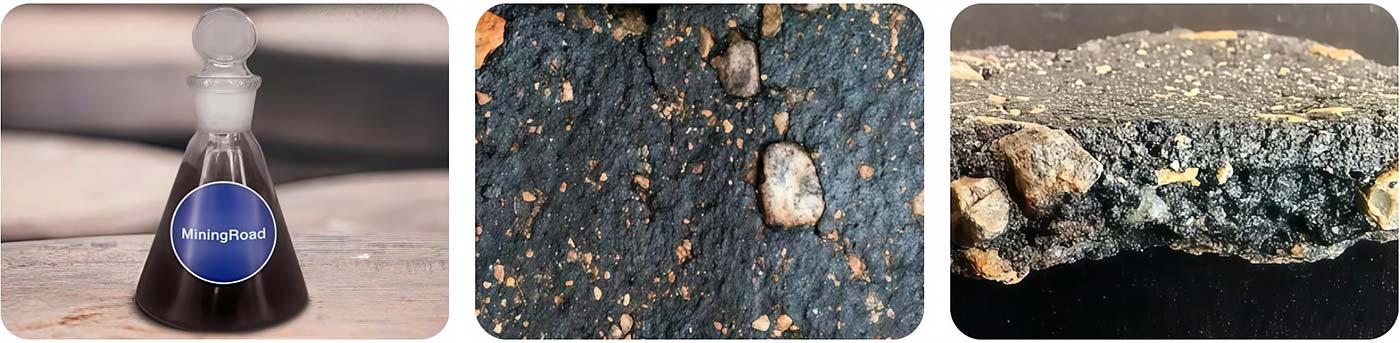
Agente de Estabilización de SST Suelos is described by MiningWay as a soil treatment considered for engineered road layers and improvement of suitable local materials. Laboratory strength values do not establish a design capacity for an untested soil or construction method. For rural road soil stabilization, request a current procedure based on the actual material before assigning a dose, reopening time or service-life expectation.
Measuring field performance for this project
Decide what the evidence must demonstrate: less airborne material during defined activity, reduced surface loss, retained crust integrity or a serviceable road layer. These are related observations but they are not interchangeable measurements. A darker surface or a single clear photograph cannot establish a quantified dust reduction.
As part of rural road soil stabilization procurement, distinguish screening tools from formal measurement. Fixed photographs and simple inspection maps are valuable for maintenance; they do not automatically provide a defensible airborne concentration or emission factor. State instrument limitations, calibration information and the conditions that invalidate a comparison.
Apply this check to the rural road soil stabilization scope using the recorded conditions for rural gravel roads. Ask the site team and supplier to identify the observation that would change the proposed method, and retain that answer with the trial record rather than leaving it as an informal site instruction.
Writing an enquiry suppliers can answer for this project
When specifying rural road soil stabilization, request current technical and safety documents for the exact formulation offered. Ask how recommended dose, storage, handling, curing and reapplication are determined. If a performance claim is important to the purchase, request the test method, substrate, exposure conditions and applicability to the project.
In the rural road soil stabilization work plan, request current technical and safety documents for the exact formulation offered. Ask how recommended dose, storage, handling, curing and reapplication are determined. If a performance claim is important to the purchase, request the test method, substrate, exposure conditions and applicability to the project.
Apply this check to the rural road soil stabilization scope using the recorded conditions for rural gravel roads. Ask the site team and supplier to identify the observation that would change the proposed method, and retain that answer with the trial record rather than leaving it as an informal site instruction.
Comparando alternativas de manera justa para este proyecto
During a rural road soil stabilization review, give each alternative the same job description, service period and operating constraints. Watering, surface binding, mixed stabilization, mechanical improvement, physical covers and permanent surfacing can solve different parts of the problem. A comparison is useful only when it explains those differences and prices the full scope.
When comparing rural road soil stabilization options, check the effect on the next operation. A pile cover may obstruct reclaiming; a surface crust may be broken by it. A road film may retain fines while a mixed layer addresses a different depth. Identify the operational tradeoff instead of declaring one chemistry superior for every application.
Apply this check to the rural road soil stabilization scope using the recorded conditions for rural gravel roads. Ask the site team and supplier to identify the observation that would change the proposed method, and retain that answer with the trial record rather than leaving it as an informal site instruction.
Compare los enfoques de tratamiento disponibles
For a repeatable rural road soil stabilization method, keep material supply, engineering design and construction quality responsibilities clear. The enquiry should say whether the buyer needs product guidance, a supervised trial or a complete engineered construction package. These scopes require different evidence and cannot be compared as interchangeable bags or litres of binder.
A rural road soil stabilization comparison should retain the distinction between surface protection, mixed-layer improvement and changes to site operation. The table below is a decision framework; it does not rank a product or establish a universal performance level.
| Enfoque | Propósito principal | Qué confirmar |
|---|---|---|
| Riego y mantenimiento rutinario | Control a corto plazo junto con el cuidado normal de la carretera | Entrega de agua, repetición de trabajo y condición de la superficie húmeda |
| Película superficial flexible | Retención de partículas en una superficie de desgaste preparada | Soporte, cobertura, abrasión y reparaciones locales |
| Tratamiento mixto de suelos o agregados | Mejora dentro de una capa construida definida | Compatibilidad de materiales, mezcla y aceptación de construcción |
| Mejora mecánica o revestimiento permanente | Un alcance diferente de construcción o mantenimiento de carreteras | Requisitos de diseño, ventana de acceso y costo del ciclo de vida |
Cree el registro del sitio y la decisión de aceptación
The rural road soil stabilization record should identify the material source, area or layer, product batch, actual quantities, preparation, weather, operating activity and inspection locations. Add photographs with dates and locations. If part of the test was disturbed, repaired or treated differently, preserve that history instead of replacing it with the final photograph.
To evaluate rural road soil stabilization, use the evidence to decide whether the proposed method can be repeated over the remaining rural gravel roads. Acceptance should describe the conditions represented, the follow-up work required and the triggers for review. A useful decision can be conditional; it need not imply that every future section, pile or material delivery is already approved.
Contexto de referencia y próximos pasos
Para antecedentes independientes, consulte FHWA Construction Publications. Esta referencia proporciona un contexto técnico general; no es una certificación, respaldo o prueba de desempeño de los productos MiningWay. Aplicar los requisitos actuales del proyecto y la evidencia específica del material propuesto.
To discuss rural road soil stabilization, send the MiningWay team road width, seasonal traffic, available aggregate and drainage ownership, along with photographs of driveways, drainage crossings, shaded bends and roadside properties. Ask for a material-specific recommendation, the technical and safety documents, a trial method and a quotation that states the preparation and follow-up scope. You can review the relevant información de la aplicación del sitio y póngase en contacto con el equipo técnico antes de realizar el pedido.
Preguntas frecuentes
What should be defined before rural road soil stabilization?
Define the target surface or layer, operating objective and site constraints. For rural gravel roads, provide road width, seasonal traffic, available aggregate and drainage ownership. Agree on how the proposed result will be checked before choosing a treatment.
Which product should be evaluated for rural road soil stabilization?
SST Soil Stabilization Agent is a relevant product to discuss because its stated role is a soil treatment considered for engineered road layers and improvement of suitable local materials. Suitability depends on the actual material and work method; it should be confirmed through current documentation and a representative trial.
Is there one universal dose for rural road soil stabilization?
No. La recomendación debe indicar si se refiere a concentrado, solución preparada, masa de material seco o volumen tratado. La condición del material, la preparación y el uso previsto afectan el procedimiento, por lo que se obtiene un método específico para el proyecto.
How should rural road soil stabilization performance be checked?
Use consistent inspection locations and record weather and operating activity. Check driveways, drainage crossings, shaded bends and roadside properties. Compare representative conditions and use suitable technical expertise where the result supports an engineering or environmental decision.
What information is needed for a rural road soil stabilization quotation?
Proporcionar el material, geometría, período de servicio, tráfico o manipulación, disponibilidad de agua y fotografías. Solicite al proveedor que separe el producto, el flete, la preparación, la aplicación y el soporte de seguimiento para que el alcance ofrecido pueda compararse de manera justa.