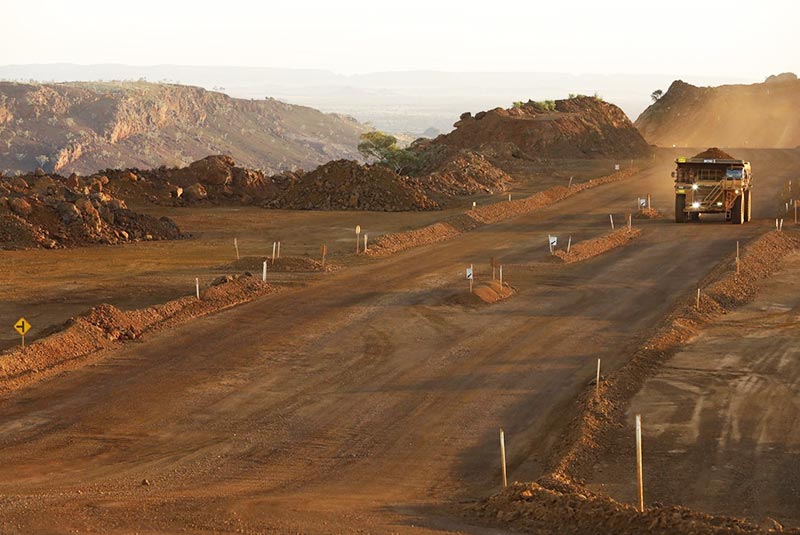
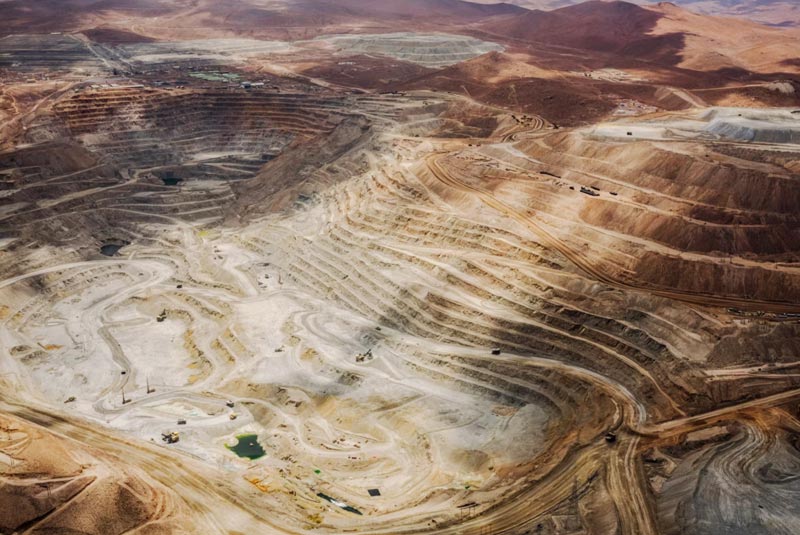
Road dust control methods should be judged when loaded trucks return, not while the surface is still wet. A road can look settled immediately after spraying and release another plume before the next watering round. The purchasing question is therefore not simply which suppressant to use, but what keeps making that particular section dusty.
For mine and industrial roads, start with the source, the condition of the running surface and the operating schedule. Then compare watering, moisture-retaining treatments, surface binders and road improvement. The right choice should address the observed problem without promising to repair defects outside its scope.
Table of Contents
Why the Dust Returns After the Water Truck Leaves

Water can hold loose particles together temporarily, but its useful interval changes with weather and road conditions. Traffic management and drainage also influence the outcome, as explained in Alaska’s overview of dust control techniques. A watering schedule that worked during a quieter shift should not automatically be accepted for a busier one.
When comparing road dust control methods, ask the operator to mark where dust reappears first. Is it along the whole route, only at an exit, or at a tight turn? Record what happened before the plume returned: another truck convoy, fresh material on the surface, a grader pass or changing weather.
This creates a useful distinction between treating the road and treating a recurring source of contamination. Your comparison of road dust control methods should follow that distinction rather than beginning with a product shortlist.
Identify the Source Before Choosing a Treatment
Walk the route with the people responsible for loading, road maintenance and drainage. Ask whether the loose material belongs to the road surface or has arrived from somewhere else. At loading approaches, check for spilled material; near wet exits, check for mud carried by tires. Record suspected sources rather than treating every dusty patch as the same defect.
For road dust control methods, this source map is the first decision document. Label each section by the problem to investigate: loose surface particles, recurring deposits, poor drainage or suspected structural weakness. The FHWA guidance on planning road improvements supports collecting road-specific information before choosing interventions.
Keep adjacent stockpiles separate. LH stockpile dust suppressant is designed to form a crust over exposed stored material. That is a different duty from a trafficked road surface, and neither treatment should be assumed to control dust generated inside a crusher or transfer point.
Compare Road Dust Control Methods by the Job They Do
The following comparison is a screening tool, not a ranking of products. Several road dust control methods may belong in one site plan, but each needs a defined purpose.
| Method | Role to consider | Question before selection |
|---|---|---|
| Watering | Temporary moisture-based suppression | Can the operating schedule maintain the required condition between passes? |
| Traffic control and housekeeping | Reduce disturbance and recurring deposits | Are vehicle movements, spillage or trackout undermining treatment? |
| Moisture-retaining salts | Retain moisture around surface particles | Are climate, corrosion and environmental constraints acceptable? |
| Surface-binding treatments | Bind exposed particles on a suitable prepared road | Does the formulation fit the material, traffic and maintenance method? |
| Material improvement or stabilization | Address a defined deficiency in road materials | What testing and engineering acceptance criteria are required? |
| Engineered paved surfacing | Provide a designed running surface | Is the supporting structure adequate, and how will deposits be controlled? |
These are general treatment categories, not a statement that every option is supplied by this website. The FHWA summary of suppressant categories explains why moisture retention, particle binding and stabilization must not be treated as identical mechanisms.
When Watering Remains the Right Choice
Water deserves a place among road dust control methods, particularly where the surface is being disturbed or the route is temporary. It can also provide the existing practice against which another treatment is evaluated. Do not make the comparison unfair by giving the trial product a carefully prepared section while leaving the water-only section poorly maintained.
Keep a simple record of water deliveries, treated area, application times and observed conditions before the next pass. This is a suggested evaluation record, not a universal watering prescription. Use the site’s operating and environmental requirements to decide acceptable conditions.
The question is not whether water is “good” or “bad.” It is whether watering can meet the site’s objective consistently. Binder-based road dust control methods may still require water for dilution, preparation or maintenance; fewer watering rounds should not be advertised as zero water use.
What to Check Before Using Salts or Other Binders
Calcium chloride and magnesium chloride retain moisture; lignosulfonate and synthetic polymer treatments bind particles through different mechanisms. The FHWA’s chemical treatment selection guidance explains that formulation, road material and operating conditions matter. A chemical family name alone is not a performance specification.
Shortlist road dust control methods only after asking for the exact formulation’s application guidance and evidence. For moisture-retaining products, question humidity dependence, runoff and corrosion compatibility. For binders, ask about drying or setting requirements, wet-weather behavior and what happens when maintenance disturbs the treated layer.
Avoid the opposite shortcut as well: assuming a polymer is suitable because it is not a chloride. For a fair comparison of road dust control methods, require the same quality of information from every supplier, including limitations and the conditions behind any reported result.
Where a Flexible Road Surface Treatment Fits
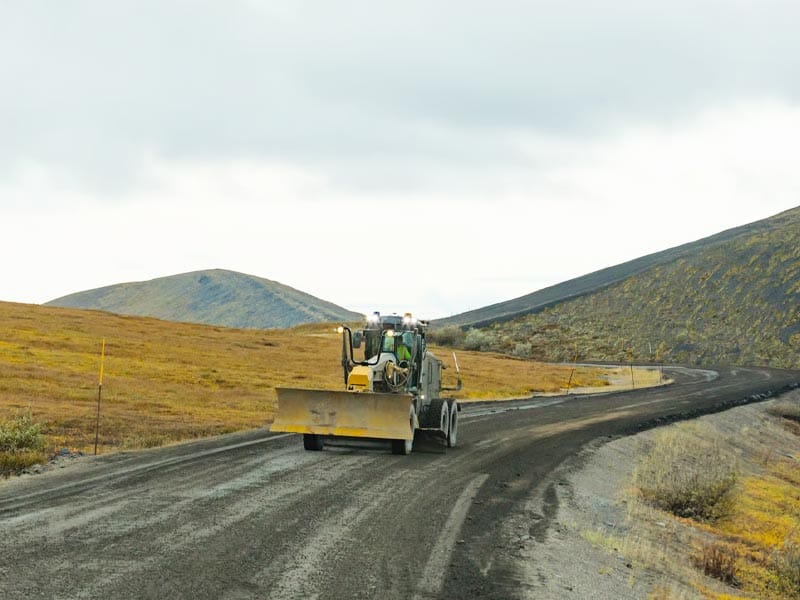
MiningWay GR GOODROAD road dust suppressant is described as a liquid treatment designed to form a flexible surface layer on compacted earth and gravel roads. Its relevant purchasing role is road-surface dust control, subject to confirmation of material compatibility and application conditions.
Among road dust control methods, this approach is worth evaluating when the road has a serviceable running surface but repeatedly releases loose particles. Ask for a trial using representative road material, with the preparation and maintenance procedures written down. A demonstration on a different aggregate is not enough to establish suitability.
Do not interpret “flexible surface layer” as proof of a particular axle-load rating, waterproof road structure or fixed service life. Compare road dust control methods using the same traffic exposure and inspection criteria, not unmatched claims about durability.
Recognize When the Road Needs More Than Surface Suppression
Recurring deep ruts, exposed underlying layers or water-related loss of support call for a road-condition assessment. Surface dust is then only part of the problem. FHWA’s road preparation and application guidance stresses drainage, suitable surfacing material and preparation before chemical treatment.
Comparing road dust control methods cannot replace that assessment. Ask the engineer which layer needs attention and what material properties must change before selecting an additive.
ER liquid road stabilizer is positioned for binding loose particles in unpaved-road treatment. SST soil stabilization agent is positioned for soil, road-base and subgrade applications. Those descriptions are starting points for a technical discussion, not interchangeable strength specifications. Representative samples, project-specific testing and engineering review are needed before accepting a structural claim.
Match the Treatment to the Operating Zone
A straight haul section, loading approach and industrial entrance should not automatically receive the same specification. When shortlisting road dust control methods, divide the route by the operating condition you need the trial to represent.
Through-Traffic Sections
For a straight section, request observations during representative loaded and unloaded movements. Record traffic counts rather than relying only on elapsed days. A lightly used demonstration strip should not stand in for the busiest operating route.
Turns, Loading Areas and Entrances
At a turning area, include repeated maneuvering in the evaluation. At an entrance, investigate incoming mud and spilled material before attributing every plume to the treated surface. These are suggested trial distinctions: road dust control methods should be evaluated against the work that actually occurs in each zone.
Make Preparation and Application Verifiable
Before mobilization, agree who accepts the road condition and who authorizes application. Road dust control methods are difficult to compare when one crew repairs drainage and another simply sprays over existing defects.
Request written requirements for surface preparation, dilution, application rate, weather restrictions and reopening. Separate concentrate quantity from total diluted spray volume; they answer different questions. The documented rate must identify its basis, rather than describing only how many tank loads were used.
For the selected product, confirm whether application is spray-on, mixed into material or follows another specified process. Check distribution across the actual working width and retain a record of batch, area and application conditions. Do not borrow a curing period or dilution ratio from another formulation. The method confirmed for the trial should be the method proposed for the full project.
Run a Field Comparison That Reflects Normal Operations
Before expanding road dust control methods across the network, write a trial question: can the proposed treatment maintain the agreed road condition under representative operations, with a practical maintenance routine?
Use a comparable section under the existing accepted practice, such as normal watering, where safe and permitted. Do not create an uncontrolled dusty reference merely for a photograph. Document preparation differences and avoid changing several operating variables without recording them.
| Record | Why it belongs in the comparison |
|---|---|
| Road material and initial condition | Shows whether the trial and reference sections were comparable. |
| Traffic counts, vehicle types and loads | Distinguishes performance under different operating exposure. |
| Weather and recent rainfall | Provides context for wet and dry observations. |
| Product quantity, dilution and treated area | Makes the application reproducible. |
| Dust observations and measurement locations | Prevents unrelated observation points being treated as equivalent. |
| Watering, grading and repairs | Reveals the interventions needed to maintain acceptable conditions. |
Choose road dust control methods on the complete record. A result is less useful when the maintenance needed to achieve it is missing.
Measure More Than the First Visible Improvement
Decide the measurement objective before buying instruments. Visibility observations, roadside particulate measurements and worker exposure assessments are not interchangeable. Do not report one as proof of another.
For an ambient monitoring study, the EPA Air Sensor Guidebook provides a framework for planning, collecting and interpreting measurements. Define the particle metric, instrument suitability, sampling position and observation period. Record background conditions and relevant site activity so that a change is not automatically credited to treatment.
When comparing road dust control methods, retain unsuccessful observations as well as favorable ones. A wetter day, fewer truck movements or a changed wind direction can make unlike observations look comparable. An unqualified reduction percentage hides those differences. Pair the measurements with surface-condition and maintenance records before deciding whether the result supports expansion.
Review Environmental Evidence Before Full Application
Descriptions such as “bio-based” or “non-toxic” should prompt questions, not end the review. Ask for the current safety data sheet, relevant test reports and the conditions under which the material was evaluated. A safety data sheet is not, by itself, evidence of suitability beside every drain, watercourse or sensitive process.
The FHWA environmental considerations for road additives emphasize product information, testing and potential movement away from the treated area. Apply that scrutiny to all road dust control methods involving chemical treatments, including alternatives marketed as environmentally preferable.
For procurement, identify who reviews runoff pathways, storage, spills and handling requirements. Request evidence for the proposed formulation rather than assuming a report for a similarly named material covers the same product.
Plan the Maintenance Response Before Ordering
Make the maintenance handover part of the purchasing decision. Ask the supplier to distinguish inspection, cleaning, localized repair and full reapplication. These should not become one automatic response whenever an operator reports dust. Road dust control methods are more useful when the response to changed conditions is agreed in advance.
Consider a hypothetical entrance where the treated road remains intact but fresh material appears after loading shifts. The next investigation should examine the incoming material and loading practice, rather than immediately increasing the treatment rate. By contrast, visible surface disturbance after maintenance calls for a review of the maintenance event and the product-specific repair guidance. These are diagnostic examples, not reported project results.
Keep a dated section record with photographs, the reported issue, the action taken and the next inspection. Agree who can authorize a change in material, dilution or application procedure. When the aggregate source or operating pattern changes, ask whether the original trial still represents the road. This gives the next order a documented basis instead of simply repeating the previous quantity.
Prepare an Inquiry That Can Produce a Useful Recommendation

A request stating only “we need dust suppressant” leaves too much unresolved. To narrow road dust control methods, send the road material, dimensions, current treatment routine, representative traffic and the locations where dust returns first. Include photographs of both the dry running surface and problem areas after rain.
State the operational requirement in observable terms: the conditions the road must maintain, when treatment can take place and how success will be checked. Ask for the current technical and safety data sheets, a proposed trial approach and clear limits on the recommendation.
The useful outcome is not simply a material quantity. It is an agreed explanation of what the treatment is intended to address, what preparation remains the operator’s responsibility and what evidence is needed before extending application.
Conclusion
The most useful road dust control methods address a diagnosed problem on a road that is ready for treatment. Separate surface dust from recurring deposits and structural defects, then compare options under representative traffic with maintenance included. For a prepared earth or gravel road, send your road details to our team to discuss GR suitability and the information needed for a site-specific trial.
FAQ
What are the main road dust control methods for unpaved roads?
The main approaches are watering, traffic management, housekeeping, moisture-retaining treatments, surface binders and appropriate road improvement. Selection depends on the dust source and road condition. More than one approach may be needed, especially where the surface receives fresh deposits during operations.
Is a dust suppressant always better than watering?
No. Compare whether each approach maintains the required condition across normal operations. Water may remain practical for temporary or frequently disturbed areas. A binder needs compatible material and an appropriate application and maintenance process; a clean first-day appearance does not settle the comparison.
Can surface dust control repair a weak road base?
Not by assumption. Suppressing loose surface particles is different from meeting a structural requirement. Persistent deformation or support problems need engineering assessment. Any stabilization proposal should identify the treated layer, representative material tests and project acceptance criteria.
How long will a road treatment remain effective?
A useful answer needs the product, application, road material, traffic, weather and maintenance conditions. Request evidence from comparable service rather than accepting an unconditional lifespan. A site trial should record when intervention becomes necessary, not just the date of application.
What information should we send before requesting a trial?
Send road dimensions, surface material, traffic and load details, drainage photographs, the current watering routine and the treatment objective. These details help narrow road dust control methods and identify which technical documents or material samples are needed before a recommendation.